Part of various Australian Aboriginal mythology, the Bunyip varied in names and even in appearance. The common thread linking this creature is its aquatic dwelling and aura of dread.
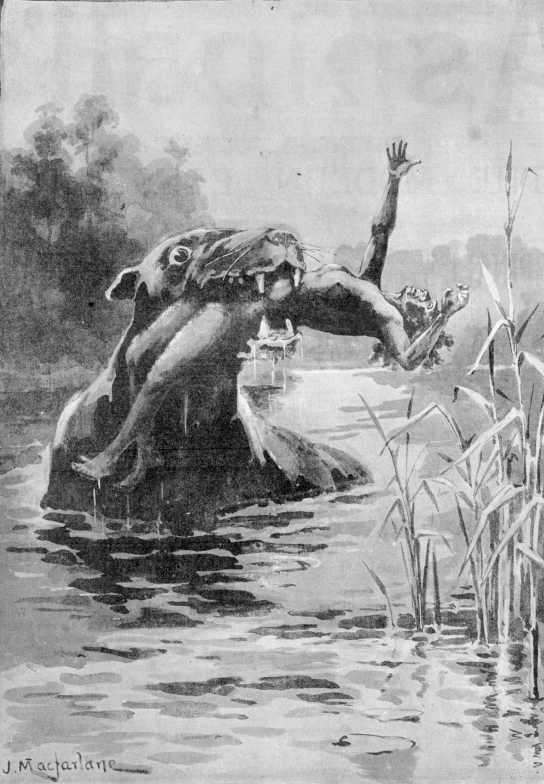
During the early colonization of Australia by European settlers, it was thought that the Bunyip was just another strange Australian creature waiting to be discovered by Westerners.
The Bunyip has a variety of names and appearances, depending on what Aboriginal tribe is asked. Its name has been traced to the Wemba-Wemba, an Aboriginal group in the Southeastern corner of Australia.
Its most common appearance is that of an aquatic dog, between 1.2 to 2 meters in length (about 3 – 4 feet), with large chomping tusks and amphibious features (webbed toes, sometimes the body texture, etc).
The other slightly less common look is quite strange: a long-necked head of an emu (or horse?), a maned and folded-skin neck, and a horse’s tail. It’s no wonder that sightings of this creature inspired such dread!
Its looks isn’t the only thing frightening about the Bunyip; it was supposedly a fierce predator and would attack particularly women and children.
With a variety of sightings in the 19th Century, the Bunyip captured the minds of Westerners. Many try to debate on its true taxonomy: could it be a normal misidentification?
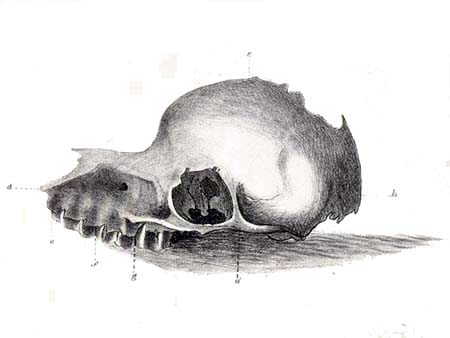
Or maybe it was a sort of cultural memory of now-extinct Australian marsupials? Unless we find more evidence, it’s likely the Bunyip will remain a mystery.
Images from WikiMedia Commons. All images on this site are free usage!
 Cryptopedia